
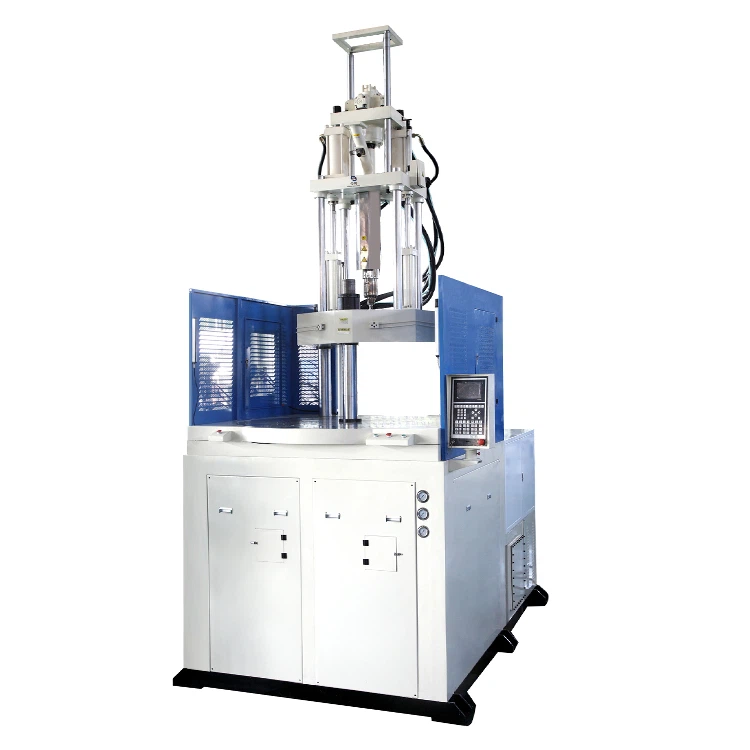
What is Hydraulic Injection Moulding Machine
A hydraulic injection molding machine is a type of injection molding machine that uses a hydraulic pump to generate the pressure needed to inject molten plastic into a mold. Injection molding is a manufacturing process in which molten material is injected into a mold to produce a part or product.
Benefits of Hydraulic Injection Moulding Machine
Lower Initial Cost
Hydraulic injection molding machines have a lower initial cost compared to electric and hybrid models, making them attractive for manufacturers looking to minimize upfront expenses.
Cheaper Replacement Parts
Hydraulic machines have cost-effective and easily obtainable replacement parts, reducing maintenance downtime.
Durability and Strength
The hydraulic components of these machines are designed to last, offering exceptional resistance to wear and tear, contributing to their longevity and reliability in production environments.
Powerful Clamping Force
Hydraulic machines require high clamping force to mold large or complex parts accurately and maintain product integrity.
Simplicity and Ease of Use
Hydraulic injection molding machines are simple to operate and maintain, with a design that enhances reliability and reduces the risk of mechanical failures.

Horizontal Energy Saving Injection Molding
low body, no height limitation for plant: the design of horizontal injection molding machine makes its body low, no special requirement for plant height, suitable for installation in various heights of the plant.

Liquid Silicone Rubber Injection Molding Machine
Self-developed (20/200l) liquid silicone feeder with optional German 2KM host;
Multi-level precision mold electric temperature control. Liquid silica gel special hydraulic water-cooled closed nozzle, material pipe set
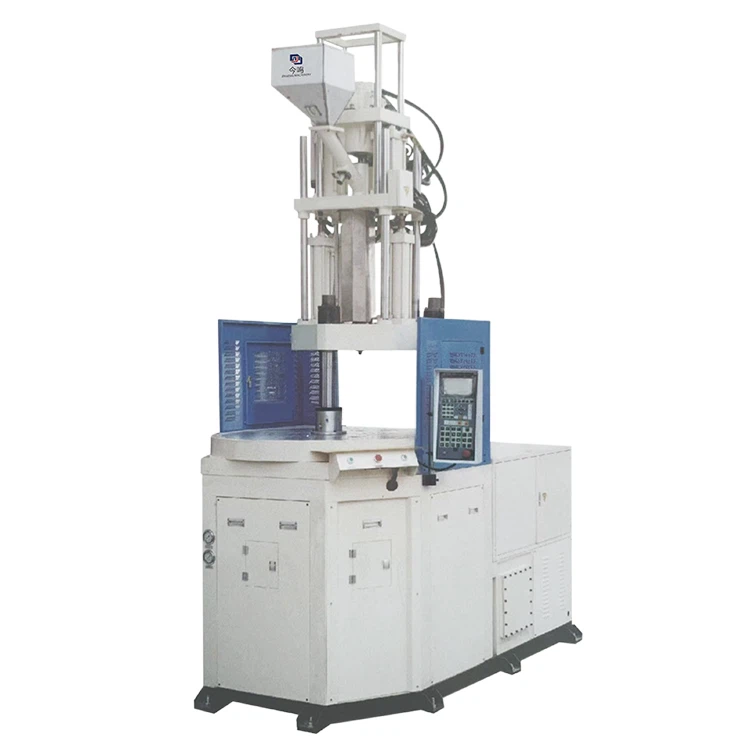
Vertical used injection molding machine: the injection device and clamping device of this type of injection molding machine are located in the same vertical centerline, the mold opens and closes along the front and back direction, occupies a small area and is suitable for fine molding.

Horizontal Two-Color Injection Molding Machine
This product is suitable for two-color and two-material one-time molding of the injection molding parts, the use of disc multi-station design, improve production efficiency.
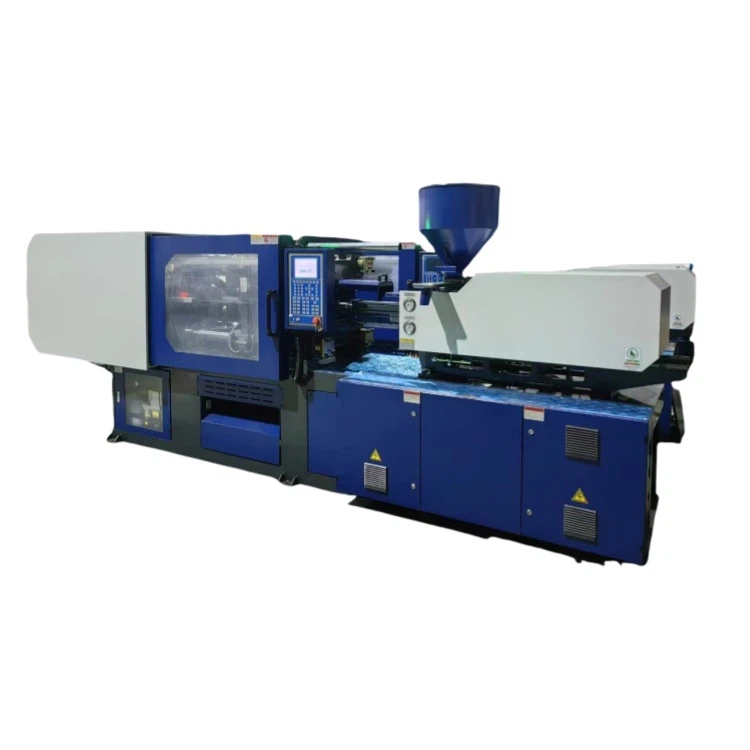
Horizontal Bakelite Injection Molding Machine
Low body, no height restriction for the plant where it is placed: the design of horizontal injection molding machine makes its body low, which has no special requirement for the height of the plant, and is suitable for installation in plants of various heights.

Horizontal BMC Injection Molding Machine
Where products can be automatically dislodged, automatic molding is possible without a robot: In the case where products can be automatically dislodged, the horizontal injection molding machine can realize automated molding without the use of a robot.

Horizontal Single Slide Injection Molding Machine
Single/double sliding mold and turntable device are available according to customer's requirement.

Horizontal Double Slide Injection Molding Machine
Adopting high quality self-lubricating bearings in the movable parts, which makes the maintenance of the machine more convenient.

Horizontal Disc Injection Molding Machine
Double-position(or triple-position)rotary table with stable rotation and accurate positioning, which can improve the production efficiency up to 30%-50%.
Why Choose Us
Advanced equipment
We take strong measures to ensure that we use the highest quality equipment in the industry and that our equipment is regularly and meticulously maintained.
Competitive prices
We offer our products at competitive prices, making them affordable for our customers. We believe that high-quality products should not come at a premium, and we strive to make our products accessible to all.
Rich experience
Has a long-standing reputation in the industry, which makes it stand out from its competitors. With over many years of experience, they have developed the skills necessary to meet their clients' needs.
High quality products
We always put customer needs and expectations in the first place, refine on, continuous improvement, to seek every opportunity to do better, to provide customers with their expectations of quality products, to provide customers with the most satisfactory service at anytime.
State-of-the-art technology
We use the latest technology and tools to deliver high quality services. Our team is well-versed in the and advancements in technology and uses them to provide the best results.
Customer satisfaction
Providing after-sales services can enhance customer satisfaction by ensuring that customers' needs are met even after the purchase. This can lead to increased customer loyalty and positive word-of-mouth referrals.
Types of Injection Molding Machines
Hydraulic injection machines, one type of injection molding machine, are one of the most frequently employed machinery in industry. Utilizing hydraulic and electric systems and pumps to generate injection pressure and force required during molding processes. Hydraulic machines offer superior clamping unit force making these ideal machines for manufacturing plastic products with greater precision while the hydraulic system generates force needed for injection process.
Electric injection molding machine powered by electric systems such as servo motors provide precise control over the injection process, making these machines particularly suited for applications requiring high accuracy or cleanroom environments where precision injection molding may be desired. They' re energy-efficient and reduce operational costs significantly – two qualities valued by potential investors.
A vertical injection molding machine is a specialized type of injection molding machine that is designed to operate in a vertical orientation. Unlike horizontal injection moulding machines, where the injection and clamping units are positioned horizontally, vertical machines have a vertical arrangement.
Applications of Hydraulic Injection Moulding Machines
The versatility of hydraulic injection moulding machines allows for wide-ranging applications across numerous industries. Each industry has unique requirements, with different materials, mould designs, and production volumes that these machines can adapt to effectively.
high quality
Hydraulic injection moulding machines are extensively used in the automotive industry to manufacture various plastic parts such as bumpers, door panels, interior trim parts, and lighting housings. The high precision and control offered by these machines make them ideal for producing intricate parts with tight tolerances.
Medical Industry
In the medical industry, where accuracy and hygiene are paramount, these machines are utilised for producing a range of products like syringe barrels, implant devices, test tubes, and medical enclosures. The reliability and cleanliness of hydraulic systems make them suitable for these critical applications.

Packaging Industry
The packaging industry relies on hydraulic injection moulding machines for the production of high-volume packaging components such as bottle caps, containers, and thin-wall packaging items. These machines' scalability and the capacity to accommodate high cavitation moulds make them indispensable in this industry.
Consumer Goods
From toys and kitchen appliances to phone cases and cosmetic packaging, hydraulic injection moulding machines find broad usage in the consumer goods industry. Their ability to handle different types of plastic and produce complex geometries make them particularly valuable in this sector.
Design and Operation of a Hydraulic Injection Molding Machine
Hydraulic plastic processing machines consist of several main parts:
Plasticization system
Responsible for plasticizing the material - dissolving and mixing it, and then pressing it into shape. The injection molding machine and its operating principle are based on the use of a screw, which feeds the material into a cylinder, where it dissolves under the influence of friction and high temperature.
Closing system
A highly durable system that is responsible for opening and closing the mold and keeping it tightly closed during injection. Its durability and stability are especially important when we have fast movements, heavy shapes and precision production.
Hydraulic systems
In hydraulic injection molding machines, hydraulic cylinders and pumps are responsible for moving the screw, mold and other elements. Hydraulic pumps create fluid pressure, which then transfers this pressure to hydraulic cylinders, causing them to move.
Control systems
The injection molding machines are also equipped with a touch screen control system, a temperature control system and a mechanical and pneumatic part release system. All these elements together create a complete machine necessary for the production of plastic products.
The injection molding machine operates through the interaction of multiple coordinated hydraulic boosters. Thanks to automatic control and monitoring systems, injection molding machines are capable of processing plastics with a very high level of accuracy and repeatability, which is necessary in modern production.
Factors to Consider When Choosing an Injection Molding Machine
Selecting the right injection molding machine requires careful consideration of various factors to ensure optimal performance and cost-effectiveness. Here are some key factors to keep in mind:
Environmental and Energy Efficiency Concerns
In today' s environmentally conscious world, energy efficiency and environmental impact are essential considerations. Look for machines that offer energy-saving features, reduced material waste, and eco-friendly manufacturing processes.
By carefully assessing these factors, manufacturers can make informed decisions when choosing an injection molding machine. It is essential to align the machine' s capabilities with the specific requirements of the industry and the desired product outcomes. This ensures efficient operations, high-quality production, and optimized resource utilization.
Production Requirements and Volume
Assess the production requirements, including desired output, cycle time, and volume. Choose a machine with the appropriate specifications and capacity to meet the production demands efficiently.
Cost Considerations
Evaluate the overall cost of the machine, including the initial investment, maintenance expenses, and operational costs. Balancing the upfront expenses with long-term benefits is crucial for cost-effective manufacturing.
Accuracy and Precision Needs
Consider the level of accuracy and precision required for your specific application. Some industries demand high precision, while others may have more lenient tolerances. Ensure the chosen machine can meet the necessary quality standards.
A servo-hydraulic injection molding machine uses hydraulic power to generate the necessary pressure for the injection molding process. However, it uses a servo motor to control the speed and position of the injection unit, which allows for more precise control over the injection process.
The injection molding process begins when plastic pellets are fed into the machine's hopper. The pellets are then melted in the injection unit's barrel, which is heated by electric heaters. Once the plastic is melted, the injection unit's screw moves forward to inject the molten plastic into the mold cavity. The clamping unit holds the mold closed during the injection process, and the hydraulic system generates the necessary pressure to keep the mold closed.
In a servo-hydraulic injection molding machine, the servo motor controls the speed and position of the injection unit's screw. The servo motor receives feedback from sensors that monitor the pressure, temperature, and position of the injection unit. This allows the machine to adjust the speed and position of the injection unit in real time, resulting in more precise control over the injection process. This precision control can result in higher-quality parts with tight tolerances and reduced cycle times.
Architectural design & planning cepteur sint occaecat cupidatat proident, taken possession of my entire soul, like these sweet mornings of spring which I enjoy with my whole...Architectural design & planning cepteur sint occaecat cupidatat proident, taken possession od my entire soul, like these sweet mornings of spring which I enjoy with my whole Lorem ipsum dolor sit ament, consectetur adipisicing elit,sed do eiusmod tempor incididunt labore et dolore magna aliqua. it enim ad minim veniam.
10 Maintenance Tips For Hydraulic Injection Molding Machine
Daily inspection
All safety facilities must be inspected and adjusted every day, and all safety facilities must be ensured to be normal before operating the machine. Check the amount of oil in the lubricating oil tank, and new oil of the same brand must be added. Check the oil level on the hydraulic oil tank, if the oil level drops below the center line of the liquid level gauge. Add hydraulic oil to above the center line, and new oil of the same brand must be added.
After the first 1,000 hours of operation, the oil suction filter, hydraulic oil, and oil tank need to be replaced or cleaned. When running for 5,000 hours hours or at most a year, the air filter and hydraulic oil need to be replaced or cleaned. Note that old and new hydraulic oil cannot be mixed. When the operation time is 20,000 hours or at most 5 years, check and replace the sealing ring and wear-resistant ring of the hydraulic cylinder. Replace the high-pressure hydraulic oil hose every 3 years, replace the controller (host) battery every 5 years, replace the battery on the operation panel.
Clean the injection molding machine
Keeping the hydraulic injection molding machine clean is the basis of maintenance. During the use of the injection molding machine, oil, residue and particles are easily produced due to the melting, mixing and injection processes of plastic. Therefore, regular cleaning of the small plastic molding machine is necessary. When cleaning the moulding machine, be careful to use appropriate cleaning agents to avoid damage to the machine's body and parts.
Lubricate the hydraulic injection molding machine
Each lubrication point of the automatic injection molding machine should be refueled regularly to ensure the effective use of lubricant. When lubricating the injection molding machine, appropriate lubricating oil or grease should be selected, and the necessary inspection and maintenance should be performed on the lubrication system of the injection molding machine.
Check the cooling system
Hydraulic injection molding machine require a cooling system to control the temperature during operation to ensure product quality and equipment stability. Therefore, it is necessary to regularly check the cooling water circulation of the cooling system and the working condition of the cooler. If problems are found in the cooling system, the cooling water should be cleaned or replaced in time to avoid temperature control failures in the injection molding machine.
Pay attention to the electrical system
The electrical system of the injection moulding machine is an important part of its normal operation. Regularly inspect the electrical components and wiring of your electrical system to ensure they are intact. At the same time, you also need to pay attention to the environmental safety around the automatic injection molding machine, such as avoiding moisture, cable wear, and short circuits of electrical equipment.
Check the air filter
The function of the fuel tank air filter is to allow the fuel tank to breathe and prevent external dust and other dirt from entering the fuel tank. Therefore, it is a very important component and requires regular maintenance. The air filter is installed on the top of the fuel tank. When cleaning, loosen the cover first, replace the air filter element, and then retighten the cover. Note that the cover must be tightened, otherwise oil will splash out.
Pay attention to the fixation of fasteners
When the injection molding machine is running for a long time, the fasteners are easy to loosen. Therefore, regular inspection and tightening of fasteners, such as screws, nuts, couplings, etc., is one of the important tasks in maintaining the injection molding machine.
Regularly replace worn parts
Wear parts of the automatic plastic molding machine, such as nozzles, barrels, etc., will wear out over time. Regularly checking the status of these worn parts and replacing them in time can ensure the normal operation of the injection molding machine and extend its service life.
Regular maintenance
Regular maintenance is a key measure to ensure the normal operation of the injection molding machine. According to the instruction manual of the injection molding machine or the manufacturer's requirements, formulate a maintenance plan and ensure that the plan is implemented.
Maintenance precautions
When performing care and maintenance on the moulding machine, the operator should strictly follow the equipment instructions and operating procedures to avoid equipment damage or failure due to improper operation.
When disassembling and installing equipment, special tools should be used to avoid equipment damage or deformation caused by the use of inappropriate tools.
Keep records of the maintenance and upkeep of the equipment, including maintenance time, maintenance content, replaced parts, etc. This helps track the health of the device and identify and resolve issues promptly.
Our Factory
Yuyao Jinming Machinery Co., Ltd. was established in 2010, with products for a wide range of markets. The company focuses on the vertical injection molding machine, rubber injection machine and Bakelite, BMC and other high-precision injection molding equipment research and development and production, the introduction of advanced technology in Europe, Japan, quality is the key to business survival as the concept of enterprise development, continuous improvement and innovation, manufacturing a series of high-quality, high-precision vertical injection molding machine, the company's products are sold all over the world, excellent quality and perfect after-sales service by the Our products are sold all over the world, and our excellent quality and perfect after-sales service are well received by customers all over the world.

FAQ
| DESCRIPTION | UNIT | JM-150S/SS/S2S/SRS | JM-300S/SS/S2S/SRS | JM-400S/SS/S2S/SRS | JM-550S/SS/S2S/SRS | JM-850S/SS/S2S/SRS | JM-1000S/SS/S2S/SRS | JM-1200S/SS/S2S/SRS | JM-1600S/SS/S2S/SRS | JM-2000S/SS/S2S/SRS | JM-2500S/SS/S2S/SRS | JM-3000S/SS/S2S/SRS | JM-4000S/SS/S2S/SRS | JM-5000S/SS/S2S/SRS | JM-6000S/SS/S2S/SRS | JM-6000S/SS/S2S/SRS | ||||||||||||||||
| INJECTION UNIT | Screw Diameter | mm | 22 | 25 | 25 | 28 | 28 | 32 | 32 | 35 | 35 | 40 | 40 | 45 | 45 | 50 | 50 | 55 | 55 | 60 | 65 | 70 | 75 | 85 | 80 | 90 | 90 | 100 | 95 | 105 | 100 | 110 |
| Injection Pressure | kg/cm² | 1851 | 1433 | 1815 | 1446 | 2000 | 1531 | 2051 | 1713 | 1943 | 1488 | 1890 | 1493 | 1918 | 1553 | 1855 | 1533 | 2036 | 1710 | 2326 | 2005 | 2160 | 1685 | 1903 | 1503 | 1503 | 1218 | 1560 | 1278 | 1409 | 1164 | |
| Theoretical Injection Volume | cm³ | 38 | 49 | 54 | 68 | 86 | 113 | 129 | 154 | 173 | 226 | 226 | 286 | 315 | 391 | 470 | 568 | 712 | 847 | 1376 | 1595 | 1830 | 2350 | 2080 | 2640 | 2640 | 3259 | 3890 | 4760 | 4315 | 5220 | |
| Max. Shot Weight(PS) | g/oz | 37/1.3 | 48/1.7 | 53/1.9 | 66/2.4 | 84/3 | 110/4 | 124/4.5 | 149/5 | 168/6.1 | 220/8 | 220/8 | 279/10 | 307/11 | 380/14 | 455/16 | 547/19 | 688/24 | 818/29 | 1328/48 | 1540/56 | 1771/64 | 2270/83 | 2015/73 | 2550/93 | 2574/93 | 3187/115 | 3760/137 | 4600/168 | 4172/152 | 5049/184 | |
| Injection Rate | cm³/sec | 26 | 34 | 42 | 53 | 46 | 59 | 53 | 63 | 78 | 102 | 116 | 147 | 149 | 182 | 150 | 180 | 155 | 184 | 136 | 158 | 200 | 250 | 245 | 310 | 465 | 574 | 450 | 550 | 496 | 601 | |
| Screw Stroke | mm | 100 | 110 | 140 | 160 | 180 | 180 | 240 | 240 | 300 | 415 | 415 | 415 | 415 | 550 | 550 | ||||||||||||||||
| Screw Rotation Speed | rpm | 0-200 | 0-200 | 0-200 | 0-180 | 0-220 | 0-275 | 0-370 | 0-235 | 0-220 | 0-200 | 0-240 | 0-240 | 0-240 | 0-180 | 0-180 | ||||||||||||||||
| CLAMPING UNIT | Clamping Force | ton | 15 | 30 | 40 | 55 | 85 | 100 | 120 | 160 | 200 | 250 | 300 | 400 | 500 | 600 | 600 | |||||||||||||||
| Min. Mold Height | mm | 100 | 120 | 200 | 220 | 250 | 280 | 300 | 300 | 300 | 400 | 400 | 400 | 400 | 500 | 500 | ||||||||||||||||
| Opening Stroke | mm | 180 | 180 | 200 | 200 | 250 | 280 | 300 | 300 | 400 | 400 | 400 | 400 | 400 | 500 | 500 | ||||||||||||||||
| Max. Opening Distance | mm | 280 | 300 | 400 | 420 | 500 | 560 | 600 | 600 | 700 | 800 | 800 | 800 | 800 | 1000 | 1000 | ||||||||||||||||
| Distance Between Tie Bar | mm | 275x135 | 355x205 | 400x250 | 500x340 | 560x340 | 580x420 | 610x510 | 750x580 | 860x530 | 800x530 | 890x590 | 890x590 | 890x590 | 1110x660 | 1110x660 | ||||||||||||||||
| Platen Size | mm | 430x290 | 520x370 | 580x430 | 720x560 | 795x575 | 830x670 | 830x740 | 1000x810 | 1130x800 | 1070x800 | 1180x880 | 1180x880 | 1180x880 | 1460x1010 | 1460x1010 | ||||||||||||||||
| Sliding Platen Size | mm | S:250x270 | S:350x350 | S:420x396 | S:500x495 | S:500x545 | S:580x570 | S:750x600 | S:810x740 | S:800x840 | S:800x780 | S:880x880 | S:880x880 | S:880x880 | S:1000x1000 | S:1000x1000 | ||||||||||||||||
| 2S:500x270 | 2S:700x350 | 2S:840x396 | 2S:1000x495 | 2S:1020x545 | 2S:1160x570 | 2S:1500x600 | 2S:1620x740 | 2S:1600x840 | 2S:1600x780 | 2S:1760x880 | 2S:1760x880 | 2S:1760x880 | 2S:2000x1000 | 2S:2000x1000 | ||||||||||||||||||
| / | LS:350x350 | LS:420x420 | LS:495x495 | LS:545x545 | LS:570x570 | LS:600x600 | LS:740x740 | LS:840x840 | LS:780x780 | LS:880x880 | LS:880x880 | LS:880x880 | LS:1000x1000 | LS:1000x1000 | ||||||||||||||||||
| Diameter Of Rotary Table | mm | / | 680 | 800 | 900 | 1000 | 1000 | 1200 | 1400 | 1500 | 1500 | 1800 | 1800 | 2000 | 2200 | 2400 | ||||||||||||||||
| Ejector Stroke | mm | 35 | 35 | 35 | 45 | 55 | 65 | 75 | 150 | 150 | 150 | 150 | 150 | 150 | 150 | 150 | ||||||||||||||||
| Ejector Force | ton | 1.2 | 1.2 | 2.3 | 2.3 | 4 | 5.4 | 5.4 | 11 | 11 | 11 | 11 | 11 | 11 | 11 | 11 | ||||||||||||||||
| OTHERS | Max. Hydraulic Pressure | kg/cm² | 140 | 140 | 140 | 140 | 140 | 140 | 140 | 140 | 140 | 140 | 140 | 140 | 140 | 140 | 140 | |||||||||||||||
| Oil Tank Capacity | L | 120 | 150 | 180 | 230 | 280 | 350 | 400 | 500 | 600 | 600 | 700 | 700 | 700 | 800 | 800 | ||||||||||||||||
| Pump Motor Power | kW | 3 | 4 | 5.5 | 7.5 | 11 | 15 | 15 | 18.5 | 22 | 22 | 30 | 30 | 45 | 55 | 55 | ||||||||||||||||
| Barrel Heating Power | kW | 3 | 3.5 | 4.2 | 5.4 | 5.4 | 6.3 | 10 | 12 | 14 | 16 | 17 | 17 | 17 | 20 | 20 | ||||||||||||||||
| Machine Weight | kg | 900 | 1000 | 1500 | 2200 | 3000 | 4000 | 7000 | 7500 | 8000 | 8000 | 11000 | 12000 | 13000 | 15000 | 16000 | ||||||||||||||||
| Machine Dimensions | m | / | / | / | / | / | / | / | / | / | / | / | / | / | / | / | ||||||||||||||||
| Remarks: JM-150S stands for standard machine, SS stands for single slip, S2S stands for double slip, and SRS stands for round disk; | ||||||||||||||||||||||||||||||||
Hot Tags: hydraulic injection moulding machine, China hydraulic injection moulding machine manufacturers, suppliers, factory, Automatic Plastic Moulding Machine, Horizontal Two color Injection Molding Machine, Preform Injection Moulding Machine, Horizontal Injection Machine, aluminum injection molding machine, Horizontal Molding Machine


