


What is Semi Auto Injection Moulding Machine
A Semi Automatic Injection Molding Machine is a type of equipment used for the production of molded plastic products, which operates with some level of manual intervention along with automated processes. These machines can be used for a variety of molding applications and are suitable for small to medium production runs. The automated part of the process typically includes the injection of the material into the mold and the ejection of the finished product. Semi Automatic Injection Molding Machine generally consume less energy compared to fully automatic machines, contributing to cost savings and energy efficiency.
Benefits of Semi Auto Injection Moulding Machine
Increased Productivity
One of the primary advantages of semi-automatic injection moulding machines is their ability to significantly increase productivity in the manufacturing process. These machines are designed to operate with minimal human intervention, allowing for continuous and efficient production. By automating the injection moulding process, businesses can achieve higher output levels and meet increasing demands without sacrificing quality. Moreover, the speed and consistency offered by semi-automatic machines ensure a streamlined production flow, ultimately leading to improved productivity and reduced lead times.
Enhanced Precision and Quality
Another major advantage of semi-automatic injection moulding machines is their ability to deliver enhanced precision and quality in the manufacturing of plastic components. The automation and advanced control systems incorporated into these machines enable precise injection molding, resulting in consistent and high-quality output. The elimination of human error and variability ensures that each molded part meets the specified design and dimensional requirements, thereby reducing rejects and rework in the production process.
Cost-Effectiveness
Semi-automatic injection moulding machines offer a cost-effective solution for businesses seeking to optimize their production processes. These machines require lower initial investment compared to fully automatic systems, making them an attractive choice for small to medium-sized enterprises with budget constraints. Additionally, the reduced labor dependency and increased productivity resulting from the use of semi-automatic machines contribute to lower production costs and improved cost-effectiveness in the long run.
Flexibility and Customization
Semi-automatic injection moulding machines offer unparalleled flexibility and customization capabilities, allowing businesses to adapt to changing market demands and product requirements. These machines can accommodate a wide range of plastic materials and mould designs, enabling manufacturers to produce diverse components for different applications. The flexibility of semi-automatic machines also extends to batch sizes, as they can efficiently handle both small-scale and large-scale production runs with minimal setup time and operational adjustments.
Improved Workplace Safety
Incorporating semi-automatic injection moulding machines into the manufacturing environment can lead to improved workplace safety and employee well-being. By automating repetitive and potentially hazardous tasks, businesses can mitigate the risk of work-related injuries and ergonomic issues associated with manual injection moulding processes. The advanced safety features and guarding systems integrated into semi-automatic machines further enhance the protection of operators and maintenance personnel, ensuring a secure working environment.

Horizontal Single Slide Injection Molding Machine
Single/double sliding mold and turntable device are available according to customer's requirement.

Horizontal Double Slide Injection Molding Machine
Adopting high quality self-lubricating bearings in the movable parts, which makes the maintenance of the machine more convenient.

Horizontal Disc Injection Molding Machine
Double-position(or triple-position)rotary table with stable rotation and accurate positioning, which can improve the production efficiency up to 30%-50%.

Horizontal Two-Color Injection Molding Machine
This product is suitable for two-color and two-material one-time molding of the injection molding parts, the use of disc multi-station design, improve production efficiency.

Horizontal Bakelite Injection Molding Machine
Low body, no height restriction for the plant where it is placed: the design of horizontal injection molding machine makes its body low, which has no special requirement for the height of the plant, and is suitable for installation in plants of various heights.

Horizontal BMC Injection Molding Machine
Where products can be automatically dislodged, automatic molding is possible without a robot: In the case where products can be automatically dislodged, the horizontal injection molding machine can realize automated molding without the use of a robot.

Horizontal Energy Saving Injection Molding
low body, no height limitation for plant: the design of horizontal injection molding machine makes its body low, no special requirement for plant height, suitable for installation in various heights of the plant.

Liquid Silicone Rubber Injection Molding Machine
Self-developed (20/200l) liquid silicone feeder with optional German 2KM host;
Multi-level precision mold electric temperature control. Liquid silica gel special hydraulic water-cooled closed nozzle, material pipe set

Horizontal Umbrella Bone Injection Molding Machine
Vertical mold locking, horizontal injection structure, with the characteristics of easy to take and put the pieces, no column, three-sided open, easier to produce long workpiece plastic products.
Why Choose Us
Advanced equipment
We take strong measures to ensure that we use the highest quality equipment in the industry and that our equipment is regularly and meticulously maintained.
Competitive prices
We offer our products at competitive prices, making them affordable for our customers. We believe that high-quality products should not come at a premium, and we strive to make our products accessible to all.
Rich experience
Has a long-standing reputation in the industry, which makes it stand out from its competitors. With over many years of experience, they have developed the skills necessary to meet their clients' needs.
High quality products
We always put customer needs and expectations in the first place, refine on, continuous improvement, to seek every opportunity to do better, to provide customers with their expectations of quality products, to provide customers with the most satisfactory service at anytime.
State-of-the-art technology
We use the latest technology and tools to deliver high quality services. Our team is well-versed in the and advancements in technology and uses them to provide the best results.
Customer satisfaction
Providing after-sales services can enhance customer satisfaction by ensuring that customers' needs are met even after the purchase. This can lead to increased customer loyalty and positive word-of-mouth referrals.
Common Gate Designs of Injection Molding Machine
Common gate designs used in injection molding machines include:
Sprue Gate: A simple gate design where the molten plastic is injected into the mold through a single entry point called the sprue. This gate is typically used for larger parts and can leave a small, easily removable mark on the finished product.
Submarine Gate: Also known as a tunnel gate, this gate is located below the parting line of the mold. It is often used for parts that require a gate mark to be hidden or minimized.
Edge Gate: This gate is located at the edge of the part and is used for parts where appearance is critical, as it leaves a minimal gate mark. It is commonly used for flat parts or parts with thin walls.
Hot Runner Gate: In this design, the plastic is injected through a heated runner system directly into the cavity, without the need for a separate gate. Hot runner systems are more complex and expensive but can reduce cycle times and material waste.
Pin Gate: A gate design where the plastic is injected through a small pin directly into the cavity. This gate is often used for parts with intricate geometries or where gate marks must be minimized.
Fan Gate: Also known as a tab gate, this gate design is used for parts with larger surface areas. It creates a wide, flat gate that allows for even distribution of the molten plastic.
Film Gate: This gate design is used for thin-walled parts or parts where appearance is critical. It creates a thin gate that minimizes the appearance of the gate mark on the finished part.
These are just a few common gate designs used in injection molding machine. The choice of gate design depends on factors such as part geometry, material, appearance requirements, and production volume.
When using a semi-automatic injection molding machine, there are several key considerations that should be taken into account to ensure a successful and efficient production process. One of the most important considerations is the selection of the right mold and material for the desired product. The mold should be designed to meet the specific requirements of the product, including its size, shape, and features, while the material should be chosen based on its properties, such as strength, durability, and heat resistance.
Another key consideration is the optimization of the injection process, including the control of temperature, pressure, and injection speed. These factors play a critical role in the quality and consistency of the finished product, and they should be carefully monitored and adjusted to achieve the desired results. Additionally, the maintenance and upkeep of the machine and its components is essential to ensure its long-term performance and reliability.
It is also important to train and educate the technicians who will be operating the semi-automatic injection molding machine, to ensure that they have the necessary skills and knowledge to operate the machine safely and efficiently. Proper training and ongoing support are essential to maximize the productivity and performance of the machine, while minimizing the risk of errors and downtime.

Components of an Injection Molding Machine
The clamping unit is a fundamental component of an injection molding machine and is responsible for holding the mold securely during the injection and cooling phases of the process.
It applies and maintains the necessary pressure to keep the mold closed while molten plastic is injected. This prevents the mold halves from separating due to the high pressure of the injected plastic. Once the plastic cools and solidifies, the clamping unit opens the mold for part ejection.The most common types include hydraulic, mechanical, and electric clamping.
Hydraulic clamping is known for its powerful force and durability, while mechanical clamping is valued for its stability and precision. Electric clamping units are celebrated for their energy efficiency and accuracy.
The injection unit of an injection molding machine plays a crucial role in melting and injecting the plastic material into the mold.
It consists of a hopper, where the plastic pellets are loaded, a barrel heated to melt the plastic, and a screw mechanism to inject the molten plastic into the mold. The screw not only pushes the plastic forward but also mixes and melts the pellets, ensuring even temperature and consistency.
The mold is central to the injection molding process, dictating the shape and specifications of the final product.
Molds are typically made from steel or aluminum and are custom-designed for each specific product. The design includes the shape of the product, gate locations for plastic entry, cooling channels, and ejection systems.
The control system in an injection molding machine is the brain of the operation, ensuring everything runs smoothly and precisely.
It oversees the entire process, from controlling temperatures and pressures to managing the timing of each cycle. The control system is essential for achieving consistent product quality and optimizing the efficiency of the manufacturing process.
Each of these components plays a vital role in the injection molding process, working together to produce high-quality plastic parts efficiently and reliably.
Beyond the primary units, an injection molding machine comprises other essential components like the hopper, where raw plastic material is stored; heaters that aid in melting the plastic; and a cooling system to solidify the molded product.
Modern machines often include advanced features like touchscreen controls, energy-saving systems, and precision hydraulics for enhanced efficiency and product quality.
Calculating the tonnage of an injection molding machine requires taking into account several factors, including the size and complexity of the part being produced, the type of plastic being used, and the desired cycle time of the machine.
One way to estimate the tonnage required for a specific application is to use the "rule of thumb" of 2 to 3 tons per square inch of the projected area of the part. This means that for a part with a projected area of 100 square inches, a machine with a tonnage of 200 to 300 tons would be appropriate. However, this is just a general guideline and the actual tonnage required can vary depending on the specific application.
Another way to estimate the tonnage of an injection molding machine is to use a clamp force calculator. These calculators take into account a variety of factors such as the projected area of the part, the type of plastic being used, the size and complexity of the part, and the desired cycle time. These calculators are available online and can give a more accurate estimate of the tonnage required for a specific application.
However, it is important to note that the tonnage calculation alone is not enough to determine the suitability of a machine for a specific application. Other factors such as the machine's injection rate, injection pressure, and cooling rate are also important.
What's a Way to Repair and Maintain an Injection Molding Machine
Proper maintenance and repair of an injection molding machine is crucial for ensuring consistent product quality and maximizing machine uptime. Here are some key steps:
Regular inspections and preventative maintenance
Conduct routine inspections of the machine's components, including the mold, screw, barrel, nozzle, and hydraulic/electrical systems. Replace worn parts proactively based on the manufacturer's recommended maintenance schedule.
Cleaning and lubrication
Regularly clean the machine, including the hopper, barrel, and mold cavities, to prevent material buildup. Lubricate moving parts according to the manufacturer's recommendations to reduce friction and wear.
Mold maintenance
Properly clean and inspect the mold after each production run. Check for any damage or wear to the mold surface and cooling channels. Perform necessary polishing, repair, or replacement to maintain mold integrity.
Screw and barrel maintenance
Monitor the condition of the screw and barrel. Replace worn or damaged components, and perform thorough cleaning to remove any material residue buildup.
Electrical and hydraulic system checks
Regularly inspect electrical wiring, connections, and control systems for any issues. Check fluid levels and perform oil changes in the hydraulic system as specified.
Calibration and adjustments
Ensure the machine's parameters, such as temperature, pressure, and injection speed, are properly calibrated and adjusted as needed to meet production requirements.
Proper troubleshooting and record-keeping
When issues arise, follow a systematic troubleshooting process to identify and address the root cause. Maintain detailed records of maintenance activities, repairs, and machine performance data for future reference. By implementing these maintenance and repair practices, you can extend the lifespan of your injection molding machine, improve product quality, and minimize costly downtime.
Working Principle of Injection Molding Machines
An injection molding machine is a production equipment that shapes plastic or rubber materials into desired products by injecting them at high pressure into molds and then cooling and solidifying them. The working principle of injection molding machines mainly includes the following steps:
Heating: Heating the plastic or rubber material to a molten state to ensure good fluidity.
High-pressure injection: Injecting the molten plastic or rubber material into the mold at high pressure to fill every corner of the mold.
Cooling and solidification: Inside the mold, the molten plastic or rubber material undergoes cooling and solidification to form the desired plastic product.
Demolding: Removing the finished plastic product from the mold to complete the entire injection molding process.
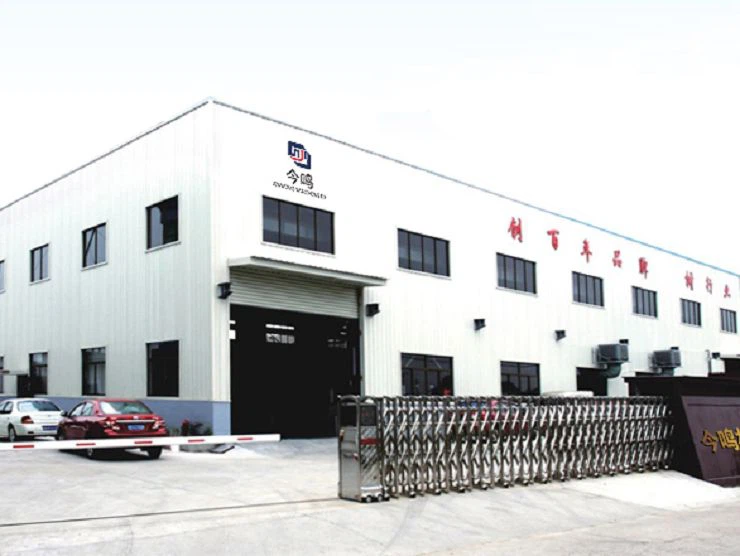
Yuyao Jinming Machinery Co., Ltd. was established in 2010, with products for a wide range of markets. The company focuses on the vertical injection molding machine, rubber injection machine and Bakelite, BMC and other high-precision injection molding equipment research and development and production, the introduction of advanced technology in Europe, Japan, quality is the key to business survival as the concept of enterprise development, continuous improvement and innovation, manufacturing a series of high-quality, high-precision vertical injection molding machine, the company's products are sold all over the world, excellent quality and perfect after-sales service by the Our products are sold all over the world, and our excellent quality and perfect after-sales service are well received by customers all over the world.
FAQ
Hot Tags: semi auto injection moulding machine, China semi auto injection moulding machine manufacturers, suppliers, factory, toy injection molding machine, Injection Press Machine, PVC Pipe Moulding Machine, silicone molding equipment, Polycarbonate Injection Molding Machine, USB Molding Machine
| DESCRIPTION | UNIT | JM-150S | JM-300S | JM-400S | JM-550S | JM-850S | JM-1000S | JM-1200S | JM-1600S | JM-2000S | JM-2500S | JM-3000S | JM-4000S | JM-5000S | JM-6000S | JM-7000S | ||||||||||||||||
| INJECTION UNIT | Screw Diameter | mm | 22 | 25 | 25 | 28 | 28 | 32 | 32 | 35 | 35 | 40 | 40 | 45 | 45 | 50 | 50 | 55 | 55 | 60 | 65 | 70 | 75 | 85 | 80 | 90 | 90 | 100 | 95 | 105 | 100 | 110 |
| Injection Pressure | kg/cm² | 1851 | 1433 | 1815 | 1446 | 2000 | 1531 | 2051 | 1713 | 1943 | 1488 | 1890 | 1493 | 1918 | 1553 | 1855 | 1533 | 2036 | 1710 | 2326 | 2005 | 2160 | 1685 | 1903 | 1503 | 1503 | 1218 | 1560 | 1278 | 1409 | 1164 | |
| Theoretical Injection Volume | cm³ | 38 | 49 | 54 | 68 | 86 | 113 | 129 | 154 | 173 | 226 | 226 | 286 | 315 | 391 | 470 | 568 | 712 | 847 | 1376 | 1595 | 1830 | 2350 | 2080 | 2640 | 2640 | 3259 | 3890 | 4760 | 4315 | 5220 | |
| Max. Shot Weight(PS) | g/oz | 37/1.3 | 48/1.7 | 53/1.9 | 66/2.4 | 84/3 | 110/4 | 124/4.5 | 149/5 | 168/6.1 | 220/8 | 220/8 | 279/10 | 307/11 | 380/14 | 455/16 | 547/19 | 688/24 | 818/29 | 1328/48 | 1540/56 | 1771/64 | 2270/83 | 2015/73 | 2550/93 | 2574/93 | 3187/115 | 3760/137 | 4600/168 | 4172/152 | 5049/184 | |
| Injection Rate | cm³/sec | 26 | 34 | 42 | 53 | 46 | 59 | 53 | 63 | 78 | 102 | 116 | 147 | 149 | 182 | 150 | 180 | 155 | 184 | 136 | 158 | 200 | 250 | 245 | 310 | 465 | 574 | 450 | 550 | 496 | 601 | |
| Screw Stroke | mm | 100 | 110 | 140 | 160 | 180 | 180 | 240 | 240 | 300 | 415 | 415 | 415 | 415 | 550 | 550 | ||||||||||||||||
| Screw Rotation Speed | rpm | 0-200 | 0-200 | 0-200 | 0-180 | 0-220 | 0-275 | 0-370 | 0-235 | 0-220 | 0-200 | 0-240 | 0-240 | 0-240 | 0-180 | 0-180 | ||||||||||||||||
| CLAMPING UNIT | Clamping Force | ton | 15 | 30 | 40 | 55 | 85 | 100 | 120 | 160 | 200 | 250 | 300 | 400 | 500 | 600 | 600 | |||||||||||||||
| Min. Mold Height | mm | 100 | 120 | 200 | 220 | 250 | 280 | 300 | 300 | 300 | 400 | 400 | 400 | 400 | 500 | 500 | ||||||||||||||||
| Opening Stroke | mm | 180 | 180 | 200 | 200 | 250 | 280 | 300 | 300 | 400 | 400 | 400 | 400 | 400 | 500 | 500 | ||||||||||||||||
| Max. Opening Distance | mm | 280 | 300 | 400 | 420 | 500 | 560 | 600 | 600 | 700 | 800 | 800 | 800 | 800 | 1000 | 1000 | ||||||||||||||||
| Distance Between Tie Bar | mm | 275x135 | 355x205 | 400x250 | 500x340 | 560x340 | 580x420 | 610x510 | 750x580 | 860x530 | 800x530 | 890x590 | 890x590 | 890x590 | 1110x660 | 1110x660 | ||||||||||||||||
| Platen Size | mm | 430x290 | 520x370 | 580x430 | 720x560 | 795x575 | 830x670 | 830x740 | 1000x810 | 1130x800 | 1070x800 | 1180x880 | 1180x880 | 1180x880 | 1460x1010 | 1460x1010 | ||||||||||||||||
| Ejector Stroke | mm | 35 | 35 | 35 | 45 | 55 | 65 | 75 | 150 | 150 | 150 | 150 | 150 | 150 | 150 | 150 | ||||||||||||||||
| Ejector Force | ton | 1.2 | 1.2 | 2.3 | 2.3 | 4 | 5.4 | 5.4 | 11 | 11 | 11 | 11 | 11 | 11 | 11 | 11 | ||||||||||||||||
| OTHERS | Max. Hydraulic Pressure | kg/cm² | 140 | 140 | 140 | 140 | 140 | 140 | 140 | 140 | 140 | 140 | 140 | 140 | 140 | 140 | 140 | |||||||||||||||
| Oil Tank Capacity | L | 120 | 150 | 180 | 230 | 280 | 350 | 400 | 500 | 600 | 600 | 700 | 700 | 700 | 800 | 800 | ||||||||||||||||
| Pump Motor Power | kW | 3 | 4 | 5.5 | 7.5 | 11 | 15 | 15 | 18.5 | 22 | 22 | 30 | 30 | 45 | 55 | 55 | ||||||||||||||||
| Barrel Heating Power | kW | 3 | 3.5 | 4.2 | 5.4 | 5.4 | 6.3 | 10 | 12 | 14 | 16 | 17 | 17 | 17 | 20 | 20 | ||||||||||||||||
| Machine Weight | kg | 900 | 1000 | 1500 | 2200 | 3000 | 4000 | 7000 | 7500 | 8000 | 8000 | 11000 | 12000 | 13000 | 15000 | 16000 | ||||||||||||||||
| Machine Dimensions | m | / | / | / | / | / | / | / | / | / | / | / | / | / | / | / | ||||||||||||||||


