


What is Bakelite Injection Molding Machine
Bakelite injection molding machine is a type of injection molding machine that is specifically designed for the injection molding of Bakelite, a type of thermosetting plastic. Bakelite is a strong, durable material that is known for its electrical insulating properties, and it is often used in the production of electrical components, insulators, and other products that require good electrical insulation.
Benefits of Bakelite Injection Molding Machine
Low noise and vibration
Bakelite injection molding machine is a professional thermosetting plastic injection molding machine, using advanced servo motor control system, achieving accurate pressure and flow control, ensuring product size stability and surface smoothness. Bakelite injection molding machine also has low noise, low vibration, low failure rate and other advantages, which can effectively extend the service life of the machine and reduce maintenance costs.
Energy saving and power saving
Bakelite injection molding machine is not only excellent in performance, but also energy-saving and power-saving. Compared with traditional hydraulic injection molding machines, Haijiang bakelite injection molding machine can save more than 30% of electricity, while reducing oil temperature rise and oil pollution, thereby reducing cooling water consumption and environmental pollution.
Heat Resistance
Bakelite is known for its high heat resistance. It can withstand continuous use at elevated temperatures without deforming or softening, making it an ideal material for electrical insulators, handles for cookware, and other applications where exposure to heat is common.
Electrical Insulation
Due to its excellent electrical insulating properties, Bakelite is often used for manufacturing electrical components such as sockets, switches, and insulators.

Single Slide Injection Molding Machine
Vertical mold clamping, vertical injection mechanism design, suitable for molding plastic products with inlaid parts

Double Slide Injection Molding Machine
Multi-segment pressure and speed control for injection and mold clamping, which can be set according to the requirement of the product, easy to adjust and ensure the precision of the product.

Right Angle Slide Injection Molding Machine
Mold locking area without machine column is fully open on three sides, which is more convenient for picking and placing inlaid parts and finished products.

Rotary Injection Molding Machine
Double-position(or triple-position)rotating table, smooth rotation, accurate positioning, can improve the production efficiency up to 30%-50%.

Two Colour Rotary Injection Moulding Machine
Different combinations of injection units can be selected according to the injection weight requirement of the product to improve production efficiency and reduce energy loss.
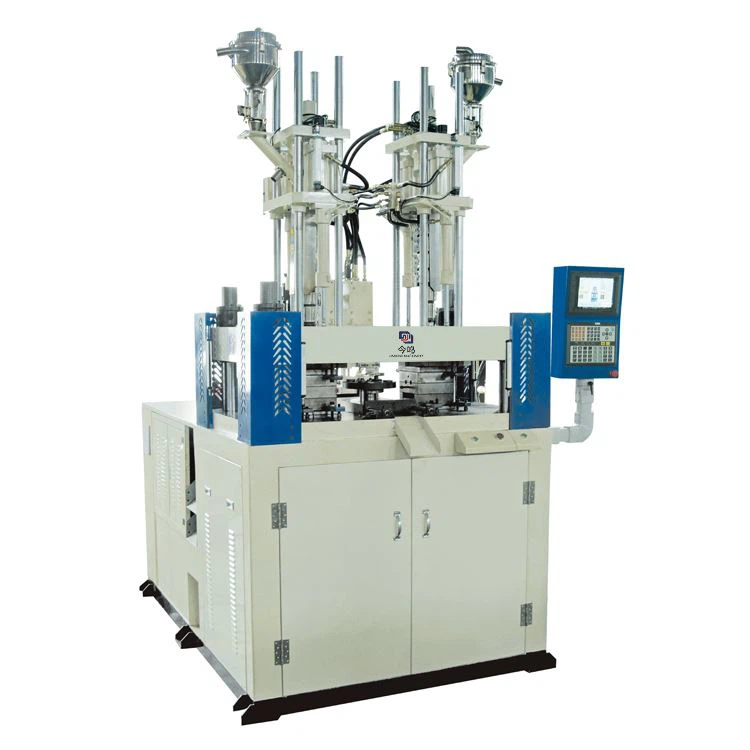
Dual Color Injection Molding Machine
Each pair of molds in the injection station has a special clamping cylinder to provide clamping force. Adhering to the characteristics of straight press, it prolongs the service life of the molds.

Double hydraulic cylinders are balanced at both ends to push the material smoothly. The feeding port is very large, which is convenient for workers to feed, reflecting the humanized design

Servo Energy Saving Injection Molding Machine
Highly optimized clamping structure, through the further optimization of the overall structure, hydraulic system and control system, to improve the repeatability of the clamping accuracy

Liquid Silicone Injection Molding Machine
Double sliding plate or disk design, easy to pick up and put down the parts, improve the safety and increase the productivity by 30%-50% at the same time.
Why Choose Us
Advanced equipment
We take strong measures to ensure that we use the highest quality equipment in the industry and that our equipment is regularly and meticulously maintained.
Competitive prices
We offer our products at competitive prices, making them affordable for our customers. We believe that high-quality products should not come at a premium, and we strive to make our products accessible to all.
Rich experience
Has a long-standing reputation in the industry, which makes it stand out from its competitors. With over many years of experience, they have developed the skills necessary to meet their clients' needs.
High quality products
We always put customer needs and expectations in the first place, refine on, continuous improvement, to seek every opportunity to do better, to provide customers with their expectations of quality products, to provide customers with the most satisfactory service at anytime.
State-of-the-art technology
We use the latest technology and tools to deliver high quality services. Our team is well-versed in the and advancements in technology and uses them to provide the best results.
Customer satisfaction
Providing after-sales services can enhance customer satisfaction by ensuring that customers' needs are met even after the purchase. This can lead to increased customer loyalty and positive word-of-mouth referrals.
The raw materials for producing bakelite are mainly phenols and aldehydes, and phenol and formaldehyde are commonly used. They are obtained by polycondensation under the catalysis of acid, alkali and other catalysts. Industrial production mainly includes dry process and wet process.
Phenol and aldehyde can produce two kinds of PF under the action of different catalysts: one is thermoplastic PF and the other is thermosetting PF. The former can be cured into a body structure only by adding curing agent and heating, while the latter can become a body structure as long as heating without curing agent.
Whether thermoplastic pf or thermosetting PF, only the exchange network formed by curing can be used. The curing process is the continuation of the bulk polycondensation reaction and the formation of the final bulk product. This process is different from the melting and curing of general thermoplastic. It is irreversible, including both physical and chemical processes.
PF can be injection molded by a method similar to thermoplastic. Pf used for injection molding requires good fluidity, molding under low injection pressure, high thermal rigidity and fast hardening speed, good gloss on the surface of plastic parts, convenient demoulding and no pollution to the mold. However, injection molding also has its shortcomings. For example, the melt is limited by the type of filler, it is not suitable for molding plastic parts with more inserts, and a large number of gates and flow channels after curing can not be recycled and can only be discarded.
Thermoplastic PF can be produced by ordinary injection molding machine, but the process conditions must be strictly controlled. Thermosetting pf must be produced by PF special injection molding machine (barrel and screw are different from ordinary injection molding machine), and the mold must also use special design structure!
How to Select Injection Molding Machine: Factors to Consider
Define Your Project' s Needs
Initiating the selection process requires clearly understanding your project' s specifics. This includes the precise dimensions, material composition, weight, and expected production volume of the parts you intend to produce.
Choose the Right Machine Type
The market offers different types of injection molding machines, including hydraulic, electric, and hybrid models, each with its unique advantages. Electric machines are celebrated for their precision and energy efficiency, making them ideal for applications requiring meticulous detail. In contrast, due to their robustness, hydraulic machines are better suited for larger, more strenuous tasks. Hybrid models combine the best of both, offering flexibility for various projects.
Determine Necessary Clamp Tonnage
The clamping force is a pivotal factor that influences the quality of the molded parts. It' s essential to calculate the tonnage needed to adequately support the mold during the injection process. This ensures the mold remains securely closed, preventing material leakage and ensuring the production of high-quality parts.
Match the Injection Unit to Project Specifications
This involves aligning the unit' s capabilities, such as shot size, plasticizing rate, and injection pressure, with the requirements of your parts regarding size, material, and quality standards. Ensuring a perfect match is vital for optimal material processing and achieving desired outcomes in your operations.
Check Mold Compatibility
Before finalizing your machine purchase, it' s crucial to ensure that the selected machine can accommodate your mold' s specifications, including tie-bar spacing, platen size, and mold height. This compatibility check is necessary to avoid mold installation issues and guarantee smooth operation.
Prioritize Energy Efficiency
Machines that utilize power efficiently can significantly reduce operating costs. Assessing and comparing the energy consumption profiles of potential machines helps in identifying the most energy-efficient option.
Seek Precision and Control Features
Advanced control features that allow for precise manipulation of injection speed, pressure, and temperature are indispensable for producing superior-quality parts. Machines equipped with these controls can adapt to the specific needs of each project, enabling the production of parts with tight tolerances and superior finishes.
Ensure Reliable After-Sales Support
The value of robust after-sales support and maintenance services cannot be overstated. Reliable technical support and timely maintenance can drastically reduce downtime and prolong the lifespan of your injection molding machine.
Conduct a Cost-Benefit Analysis
Beyond the initial purchase price, understanding the total cost of ownership is essential. This includes considering ongoing maintenance expenses, energy costs, and potential production downtime. A thorough cost-benefit analysis provides a clearer picture of the machine' s long-term financial implications, guiding a more informed purchase decision.
What Is the Use of a Bakelite Vertical Injection Molding Machine
The pot handles in daily life are made of plastic injection molding using a single-slide Bakelite vertical injection molding machine. Its characteristics are explained below:
1. Single-slide Bakelite vertical injection molding thermosetting barrel, heated by an oil temperature machine, suitable for processing various thermosetting plastics (Bakelite).
2. This machine is equipped with a single-mold slide plate, and the lower mold is embedded outside to improve operational safety and efficiency (finished product ejection is completed externally, and the lower mold has an independent ejector). Vertical mold closing, vertical injection, Suitable for insert molding.
3. Rapid mold closing, low-pressure safety mold locking, abnormal automatic mold opening, and unique safety design.
4. Low-voltage safety protection function: The uniquely designed zero-pressure slow-speed mold closing technology protects personal safety. If a foreign object blocks the upper and lower molds, the mold will not be forcefully locked, and the mold opening will be automatically protected.
5. Automatic fault display and adjustment detection are easy and easy.
6. The electronic control and hydraulic pressure adopt imported parts, which are quiet, precise, fast and durable.
7. Multi-stage temperature control, multi-stage injection pressure, injection rate, and back pressure can be adjusted step by step, which is suitable for precision plastic parts molding.
8. Equipped with finished product hydraulic ejection device.
9. The shooting base can be automatically lifted and lowered and has an automatic material cleaning device to replace molds and raw materials.
10. The single-slide bakelite vertical injection molding machine can be used for the production of various thermosetting (bakelite) products: bakelite, tableware, handwheels, handles, handle balls, bottle openers, handle covers, handles, bakelite handles, knives, handles, bakelite, pot handles, pot ears, knife handles, bakelite knobs, switches, oven accessories, terminal blocks, terminal buttons, meter accessories, meter cases and other bakelite products.
Overview of Key Components
The complexity and precision of Injection Molding Machines can be attributed to its key components. Understanding these core parts - the injection unit, the clamping unit, the hydraulic system, and the control system - is crucial in mastering the operation and maintenance of the machine.
The Injection Unit
The injection unit is where the plastic material is melted and then injected into the mold. It consists of components such as the hopper, where the plastic granules are fed, the screw or plunger, which pushes the molten plastic, and the heating elements that melt the plastic.
The Clamping Unit
The clamping unit holds and closes the mold during the injection process and opens it for ejection once the part has cooled and solidified. This unit ensures accurate alignment and consistent pressure for high-quality molding.
The Hydraulic System
In a Hydraulic Injection Molding Machine, the hydraulic system provides the power needed to operate the machine. It drives the injection and clamping units and helps maintain consistent pressure during the process.
The Control System
The control system is the brain of the machine. It regulates all machine functions, from the temperature and pressure settings to the timing of the injection and clamping cycles. Modern machines often have sophisticated control systems that enable precise control and diagnostics.
Bakelite Injection Molding Machine Process
Plasticizing conditions: back pressure, screw speed, material temperature Injection molding process because the bakelite curing process is accompanied by water vapor and chemical gas generation, the mold should be opened exhaust grooves, or even increase the mold opening exhaust process. The bakelite powder need not and cannot be dried before pre-molding Because the bakelite powder contains 40% of the filler, injection resistance is very high, so a larger injection pressure should be appliedBakelite powder in the preheated barrel species for the lowest viscosity of the melt state
Large back pressure, can make the melt fully plasticized, plasticized evenly, but easy to make the melt because the temperature is too high and early curing loss of fluidity, can not be injection; back pressure is small, the melt is not fully plasticized, poor fluidity of the melt, can not fill the shape. Should be based on the actual condition of the raw material and the wear condition of the screw barrel, set the appropriate back pressure.
The larger the screw speed, the shorter the plasticizing time, the melt can not be fully plasticized; the smaller the screw speed, the more friction during plasticization, making the melt temperature too high and curing in advance, generating gas, affecting the filling will also cause corrosion of the screw barrel, increased wear.
Material temperature is too high, the melt in the screw shear quickly cured, so that the screw barrel wear intensified, more can not be injected, blocking the injection nozzle; material temperature is too low, the melt is not fully plasticized, slow injection, can not fill the cavity, fusion marks are obvious. In general, the material temperature should be controlled between 70 ~ 90 ℃, such as raw materials PF-161J material temperature should be in 72 ~ 78 ℃ is appropriate.
How Do We Maintain an Injection Molding Machine
To maintain an injection molding machine, the key steps are:
Preventative Maintenance: Regularly inspect and clean the machine components, including the barrel, screw, nozzle, and mold. This helps prevent buildup and ensures smooth operation.
Lubrication: Apply the appropriate lubricants to moving parts, such as the clamp mechanism, injection unit, and ejector system, as per the manufacturer's recommendations. This reduces wear and tear.
Temperature Control: Monitor and maintain the proper temperature settings for the barrel, mold, and other heating zones. Consistent temperatures are crucial for product quality.
Mold Maintenance: Clean and inspect the mold after each production run. Replace worn or damaged mold components as needed to ensure consistent part quality.
Hydraulic System Maintenance: Check the hydraulic fluid level and condition regularly. Replace the fluid as per the manufacturer's schedule to prevent contamination and maximize system performance.
Electrical System Checks: Inspect electrical connections, wiring, and controls to identify and address any issues that could lead to machine downtime.
Troubleshooting and Record-Keeping: Maintain detailed records of machine performance, maintenance activities, and any issues encountered. This helps identify trends and guide future maintenance planning.
Operator Training: Ensure machine operators are well-trained on proper operation, safety protocols, and maintenance procedures to minimize the risk of errors or accidents.
Following these best practices helps maximize the injection molding machine's productivity, part quality, and lifespan.
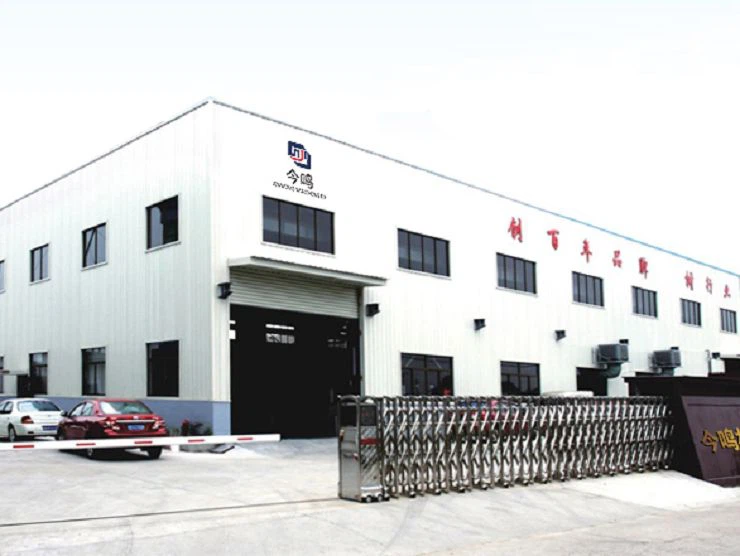
Yuyao Jinming Machinery Co., Ltd. was established in 2010, with products for a wide range of markets. The company focuses on the vertical injection molding machine, rubber injection machine and Bakelite, BMC and other high-precision injection molding equipment research and development and production, the introduction of advanced technology in Europe, Japan, quality is the key to business survival as the concept of enterprise development, continuous improvement and innovation, manufacturing a series of high-quality, high-precision vertical injection molding machine, the company's products are sold all over the world, excellent quality and perfect after-sales service by the Our products are sold all over the world, and our excellent quality and perfect after-sales service are well received by customers all over the world.
FAQ
Hot Tags: bakelite injection molding machine, China bakelite injection molding machine manufacturers, suppliers, factory, Bakelite Molding Machine, Horizontal Energy Saving Injection Molding, Silicone Injection Machine, Automatic Plastic Molding Machine, Pressure Molding Machine, Two Colour Injection Moulding Machine
| DESCRIPTION | UNIT | JM/JK-300S/SS/S2S/SLS/SRS | JM/JK-450S/SS/S2S/SLS/SRS | JM/JK-550S/SS/S2S/SLS/SRS | JM/JK-850S/SS/S2S/SLS/SRS | JM/JK-1000S/SS/S2S/SLS/SRS | JM/JK-1200S/SS/S2S/SLS/SRS | JM/JK-1600S/SS/S2S/SLS/SRS | JM/JK-2100S/SS/S2S/SLS/SRS | |
| INJECTION UNIT | Screw Diameter | mm | 28 | 32 | 35 | 40 | 45 | 50 | 55 | 60 |
| Injection Pressure | kg/cm² | 1447 | 1280 | 1388 | 1486 | 1493 | 1552 | 1533 | 1469 | |
| Theoretical Injection Volume | cm³ | 68 | 134 | 153 | 225 | 285 | 392 | 570 | 735 | |
| Max. Shot Weight(BMC1.8) | g/oz | 95/3.3 | 187/6.6 | 214/7.5 | 315/11.1 | 399/14 | 548/19.3 | 798/28.1 | 1029/36.2 | |
| Injection Rate | cm³/sec | 51 | 97 | 103 | 127 | 189 | 240 | 297 | 326 | |
| Screw Stroke | mm | 110 | 140 | 160 | 180 | 180 | 200 | 240 | 300 | |
| Screw Rotation Speed | rpm | 0-200 | 0-200 | 0-180 | 0-220 | 0-275 | 0-370 | 0-235 | 0-220 | |
| CLAMPING UNIT | Clamping Force | ton | 30 | 40 | 55 | 85 | 100 | 120 | 160 | 210 |
| Min. Mold Height | mm | 120 | 200 | 220 | 250 | 280 | 300 | 300 | 300 | |
| Opening Stroke | mm | 180 | 200 | 200 | 250 | 280 | 300 | 300 | 400 | |
| Max. Opening Distance | mm | 300 | 400 | 420 | 500 | 560 | 600 | 600 | 700 | |
| Distance Between Tie Bar | mm | 355x205 | 400x250 | 500x340 | 560x340 | 580x420 | 610x510 | 750x580 | 860x530 | |
| Platen Size | mm | 520x370 | 580x430 | 720x560 | 795x575 | 830x670 | 830x740 | 1000x810 | 1130x800 | |
| Sliding Platen Size | mm | S:350x350 | S:420x396 | S:500x495 | S:500x545 | S:580x570 | S:750x600 | S:810x740 | S:800x840 | |
| 2S:700x350 | 2S:840x396 | 2S:1000x495 | 2S:1020x545 | 2S:1160x570 | 2S:1500x600 | 2S:1620x740 | 2S:1600x840 | |||
| LS:350x350 | LS:420x420 | LS:495x495 | LS:545x545 | LS:570x570 | LS:600x600 | LS:740x740 | LS:840x840 | |||
| Nozzle Center Height | mm | 100±50 | 100±50 | 120±50 | 120±50 | 120±50 | 120±50 | 120±50 | 160±50 | |
| Nozzle Center Distance | mm | 75 | 75 | 100 | 100 | 125 | 125 | 125 | 180 | |
| Diameter Of Rotary Table | mm | 680 | 800 | 900 | 1000 | 1000 | 1200 | 1400 | 1500 | |
| Ejector Stroke | mm | 35 | 35 | 45 | 55 | 65 | 75 | 150 | 150 | |
| Ejector Force | ton | 1.2 | 2.3 | 2.3 | 4 | 5.4 | 5.4 | 11 | 11 | |
| OTHERS | Max. Hydraulic Pressure | kg/cm² | 140 | 140 | 140 | 140 | 140 | 140 | 140 | 140 |
| Oil Tank Capacity | L | 150 | 180 | 230 | 280 | 350 | 400 | 500 | 600 | |
| Pump Motor Power | kW | 4 | 5.5 | 7.5 | 11 | 15 | 15 | 18.5 | 22 | |
| Barrel Heating Power | kW | 3.5 | 4.2 | 5.4 | 5.4 | 6.3 | 10 | 12 | 14 | |
| Machine Weight | kg | 1000 | 1800 | 2700 | 3500 | 4000 | 7000 | 7500 | 8000 | |
| Machine Dimensions | m | \ | \ | \ | \ | \ | \ | \ | \ | |


